Ah, the good old days of high school. Remember that trusty locker combo you swore by? Maybe it was 12-34-56 or something equally “complex.” You thought you were the only one who knew it, but your lunch kept disappearing somehow. Now, imagine that locker is your company’s IT infrastructure, and instead of your lunch, it’s your entire business at stake. Scary, right?
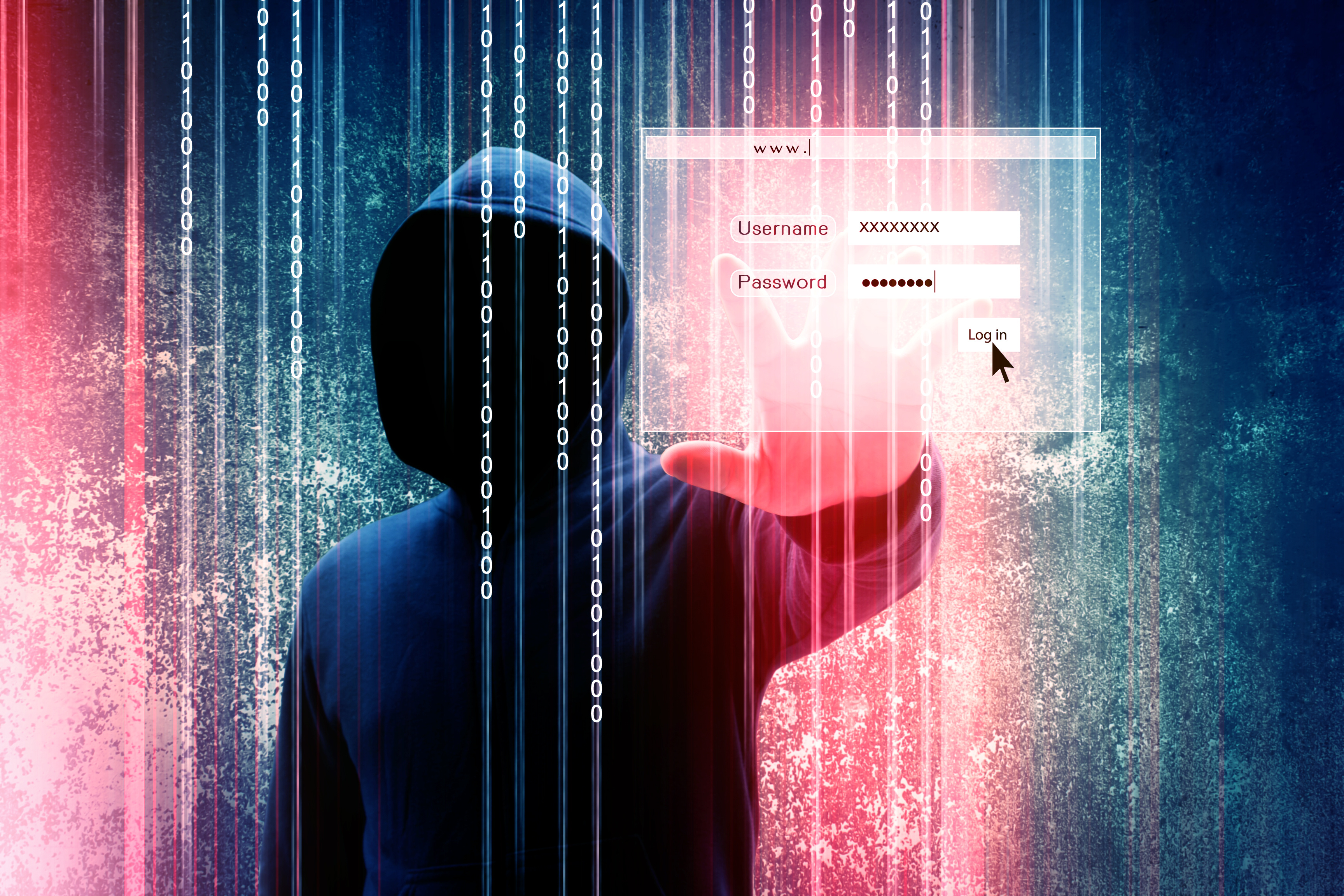
Recently, a lawsuit revealed that hackers accessed the personal information of billions of people, including Social Security numbers, addresses, and family details. The breach, allegedly orchestrated by a hacker group called USDoD, targeted National Public Data (NPD), a background check company, in April 2024. The leaked data has since been shared on the dark web, putting countless individuals at risk of identity theft. If this doesn’t make you rethink your IT security, it should.
The Breach that Broke the Camel’s Back
When news of this massive data breach hit, it sent shockwaves across the internet. It’s not every day that billions of people find their most sensitive information floating around the dark web. If a company specializing in background checks can be compromised, it’s a stark reminder that no business is safe from cyberattacks. Are you prepared to protect your business, or are you still trusting that old locker combo?
IT Security: The New ‘In’ Thing
Gone are the days when antivirus software and a decent firewall were enough to keep the bad guys out. Today’s cybercriminals are savvy, relentless, and a lot like that one kid who always knew how to pop open your locker without the combo. They’re after your data, your client’s information, and anything else they can exploit for profit.
So, what’s a business owner to do? Invest in comprehensive IT security, of course. Think of it as upgrading from that flimsy lock to a state-of-the-art security system. You need managed IT services that monitor your systems and proactively address threats before they even think about knocking on your door.
The Importance of Managed IT Services
Managed IT services aren’t just about fixing things when they break (although that’s important too). They’re about creating a robust, impenetrable fortress around your business’s digital assets. From regular security audits to real-time monitoring and advanced threat detection, managed IT services ensure that your business is always one step ahead of the cybercriminals.
And let’s face it, in the age of ransomware and massive data breaches, you want your IT security to be less “locker combo” and more “Fort Knox.” Managed IT services provide that peace of mind.
Don’t Be the Next Cautionary Tale
The National Public Data breach is a glaring reminder that no one is immune to cyber threats. But while the victims of this breach are dealing with the fallout, you can take proactive steps to secure your business. After all, you wouldn’t leave your front door wide open, so why treat your digital doors any differently?
So, take a lesson from the NPD breach. Don’t wait for a hack to happen before you beef up your IT security. Get ahead of the curve with managed IT services that do the heavy lifting for you, ensuring that your business stays secure, efficient, and out of the headlines—for all the right reasons.
In conclusion, treat your IT security with the respect it deserves. Because, let’s be honest, no one wants their business to end up like that lunch-stealing incident—only this time, it’s not just your sandwich that’s at stake.